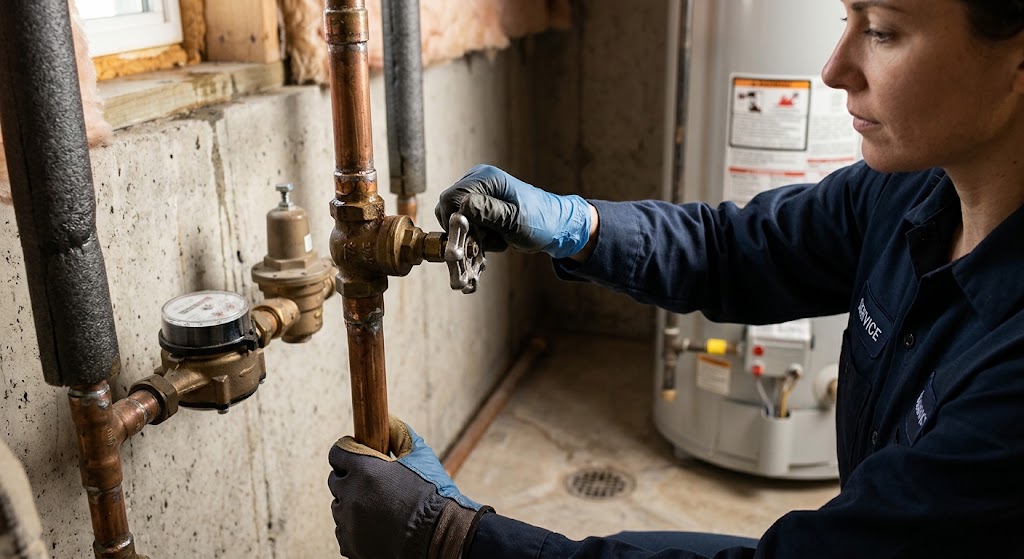
Water Heater Installation in Layton, UT
Replacing an expired, failing, or undersized water heater with a reliable, energy-efficient modern system.
Expert Plumbing Service for Layton Properties
Planning a Code-Compliant Water Heater Replacement in Layton
When a water heater in Layton exceeds 10 to 12 years of age, metal fatigue and interior tank corrosion make replacement the smartest long-term decision. Water heaters that show visible rust stains around the base or dampness along lower seam welds cannot be reliably repaired, as internal tank failure is already underway.
Upgrading to a new high-efficiency storage tank or an advanced on-demand tankless system ensures reliable hot water for busy households while reducing monthly utility costs.
Installation Standards & Safety Requirements
Water heater installations in Layton must comply with Utah state plumbing codes. Key requirements include:
- Seismic Restraints: Dual heavy-gauge seismic straps secured to structural wall framing to protect the unit during earthquake ground motion along the Wasatch Fault.
- Thermal Expansion Tanks: Closed plumbing systems with backflow preventers require a properly pressurized expansion tank to protect fixtures from thermal pressure spikes.
- Safe Relief Piping: The temperature and pressure (T&P) relief valve discharge pipe must terminate outside or over an approved drain with an air gap.
Other Layton Plumbing Services
Why Contact Dispatch?
Direct phone coordination connects you directly with available, vetted local technicians serving Layton and surrounding Davis County neighborhoods.
Call (888) 205-7875Water Heater Installation FAQ in Layton
Helpful answers to common questions about water heater installation in Layton, Utah.
Size is calculated based on peak-hour hot water demand—considering the number of bathrooms, occupants, and high-demand appliances like washing machines.
Yes. When a home has a closed culinary water supply with a pressure regulator or check valve, an expansion tank is required to absorb thermal expansion.
With proper annual maintenance and anode rod inspection, a quality residential water heater typically lasts 10 to 15 years.